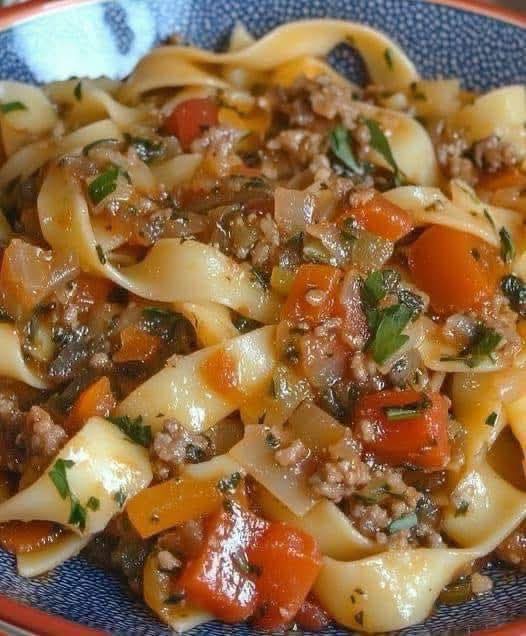
Homemade Pasta with Rich Meat and Vegetable Ragù
Few dishes capture the soul of comfort food quite like a steaming plate of pasta coated in a rich ragù sauce. Wide ribbons of tagliatelle or pappardelle hold onto every drop of the savory mixture, while tender vegetables and ground meat bring warmth and depth. This is the kind of recipe that fills the kitchen with aromas that make you pause, smile, and anticipate every bite.
Pasta with ragù is more than just a meal; it is a culinary tradition with roots that stretch across centuries. Its versatility allows for countless variations, from traditional Italian slow-cooked sauces to quick weeknight versions prepared with fresh vegetables. What makes it universally loved is the way it blends simplicity with indulgence. A handful of humble ingredients — pasta, meat, vegetables, tomatoes, and herbs — are transformed into something memorable when simmered together with care.
This article takes a deep dive into everything you need to know about pasta with ragù. We’ll explore its history, guide you through step-by-step preparation, share cooking tips, suggest variations, and highlight ways to enjoy it with family and friends. By the end, you’ll not only have a complete recipe but also a story to share along with it at your table.
The Origins of Ragù and Pasta
Ragù is an Italian term that refers to a meat-based sauce, often slow-cooked with vegetables, wine, and tomatoes. The most famous version is ragù alla Bolognese, which hails from Bologna and is traditionally served with tagliatelle. The dish we see today is an adaptation that spreads beyond Italy, combining influences from home kitchens around the world.
Historically, ragù was not just a sauce but an expression of resourcefulness. Families used inexpensive cuts of meat, seasonal vegetables, and pantry staples like onions and carrots to create a sauce that stretched across multiple meals. Served over pasta, polenta, or bread, it became a filling and nourishing dish that could feed a household without great expense.
Today, pasta with ragù is found in homes and restaurants everywhere. Whether you’re in an Italian trattoria savoring tagliatelle al ragù or in a cozy kitchen preparing noodles with a quick meat sauce, the essence remains the same: a combination of comfort, warmth, and tradition.
Ingredients for Pasta with Ragù
While the beauty of ragù lies in its flexibility, here is a classic list of ingredients for a rich, flavorful version:
400 grams (14 oz) tagliatelle or pappardelle pasta
500 grams (1 lb) ground beef or a mix of beef and pork
2 tablespoons olive oil
1 large onion, finely diced
2 medium carrots, diced
2 celery stalks, diced
2 cloves garlic, minced
2 bell peppers, chopped (optional for extra flavor)
1 can (400 grams/14 oz) crushed tomatoes
2 tablespoons tomato paste
1 cup beef broth or water
½ cup red wine (optional but traditional)
1 teaspoon dried oregano
1 teaspoon dried basil
Salt and black pepper to taste
Fresh parsley for garnish
Parmesan cheese for serving
This ingredient list reflects a hearty ragù with vegetables, similar to the dish in the photo. However, you can adapt it based on availability, diet, or personal taste.
Step-by-Step Cooking Instructions
Step 1: Prepare the Vegetables
Begin by finely chopping the onion, carrots, celery, and peppers. This combination, known in Italian cooking as soffritto, forms the aromatic base of the sauce. Heat olive oil in a large skillet or Dutch oven, then sauté the vegetables until they soften and release their fragrance.
Step 2: Cook the Meat
Add the ground beef (or a mixture of beef and pork) to the pan. Break it apart with a wooden spoon and cook until browned. This step is essential because the caramelization of the meat builds the foundation of flavor for the sauce.
Step 3: Add Garlic and Tomato Paste
Once the meat is browned, stir in the minced garlic and tomato paste. Allow them to cook for a minute or two. This deepens the flavor and removes the raw edge of the tomato paste.
Step 4: Deglaze with Wine
If using wine, pour it into the pan to deglaze, scraping up any browned bits from the bottom. This adds complexity and a subtle acidity that balances the richness of the meat.
Step 5: Add Tomatoes and Broth
Pour in the crushed tomatoes and beef broth. Stir everything together, then season with oregano, basil, salt, and black pepper. Lower the heat and let the sauce simmer gently. For best results, let it cook for at least 45 minutes, though longer simmering (up to 2 hours) will deepen the flavor even more.
Step 6: Cook the Pasta
While the sauce simmers, bring a large pot of salted water to a boil. Add the tagliatelle or pappardelle and cook according to package directions until al dente. Reserve a cup of pasta water before draining.
Step 7: Combine and Serve
Once the pasta is drained, toss it directly into the pan with the sauce. Add a splash of pasta water if needed to help the sauce coat the noodles evenly. Serve hot, topped with fresh parsley and grated Parmesan.
Cooking Tips for Perfect Ragù
Use a mix of ground meats (beef and pork, or even veal) for a more complex flavor.
Simmer the sauce low and slow. The longer it cooks, the richer it becomes.
Always season gradually. Taste as you go to avoid oversalting.
Reserve pasta water; the starch helps bind the sauce to the noodles.
Fresh pasta works beautifully with ragù, but dried pasta also delivers satisfying results.
Variations of Pasta with Ragù
One of the joys of this dish is its adaptability. Here are some variations you can try:
Vegetarian Ragù: Replace meat with lentils, mushrooms, or plant-based ground meat substitutes. The texture and richness will still shine.
White Ragù: Skip the tomatoes and make a creamy sauce with broth, white wine, and a touch of cream.
Spicy Ragù: Add chili flakes, spicy sausage, or hot peppers for a fiery kick.
Seafood Ragù: In coastal regions, ragù can be made with seafood like shrimp, clams, or squid instead of meat.
Light Ragù: Use ground turkey or chicken with plenty of vegetables for a lighter version.
Side Dishes and Pairings
To complete your meal, pair pasta with ragù with sides that balance the richness of the sauce:
Fresh green salad with vinaigrette
Roasted or grilled vegetables like zucchini or eggplant
Crusty bread or garlic bread to soak up the sauce
A glass of red wine such as Chianti or Sangiovese
For dessert, something light and refreshing like fruit salad or lemon sorbet
These pairings elevate the dining experience, making it feel like a special occasion even on an ordinary evening.
Nutritional Benefits
While ragù is indulgent, it also offers nutritional value when prepared with balance:
Protein: From the meat, supporting muscle repair and satiety.
Vitamins: Carrots, onions, celery, and peppers provide vitamin A, C, and antioxidants.
Complex carbs: Pasta provides energy, especially when made from whole grains.
Calcium: From Parmesan, adding a boost of bone-strengthening nutrients.
By choosing lean meats and loading the sauce with vegetables, you can create a dish that is both comforting and nourishing.
Cultural Significance
Pasta with ragù is more than a recipe; it’s part of Italian cultural heritage. In Bologna, tagliatelle al ragù is so iconic that it has earned protected recognition. The pairing of wide ribbons of pasta with a thick sauce isn’t random — it’s intentional. Wider noodles cling to rich ragù more effectively than thin spaghetti, creating a balanced bite every time.
Beyond Italy, the dish symbolizes togetherness. It’s often prepared in large quantities, making it perfect for family dinners and gatherings. The act of simmering sauce on the stove while pasta cooks is a ritual of care, patience, and hospitality.
Storing and Reheating
Ragù tastes even better the next day as the flavors continue to meld. Store leftovers in an airtight container in the refrigerator for up to 4 days. To reheat, warm gently on the stovetop, adding a splash of broth or water if needed.
This sauce also freezes beautifully. Portion it into containers, freeze for up to 3 months, and thaw overnight in the fridge when ready to use. Freshly cooked pasta can then be added for a quick, satisfying meal.
Why This Dish Belongs in Every Kitchen
Pasta with ragù is versatile, forgiving, and deeply satisfying. It can be made with budget-friendly ingredients yet still feels luxurious. It adapts to dietary needs, works for both weeknight dinners and special occasions, and never fails to impress.
Cooking it at home allows you to control the quality of ingredients, from the freshness of the vegetables to the type of meat and pasta you choose. This not only improves nutrition but also makes the dish uniquely yours.
Final Thoughts
Homemade pasta with ragù is a timeless dish that embodies comfort, tradition, and joy. Every forkful tells a story of family kitchens, Sunday gatherings, and the simple pleasure of a well-cooked meal. From the first simmer of onions and carrots to the final sprinkle of Parmesan, it is a recipe that engages all the senses.
Whether you stick with the classic version or experiment with variations, this dish is sure to become a staple in your kitchen. Serve it with love, and it will always deliver smiles.
Next time you’re looking for a meal that is hearty yet elegant, rustic yet refined, turn to pasta with ragù. It’s proof that sometimes the simplest combinations of ingredients create the most unforgettable dishes.