Introduction
The sweet nostalgia that envelops every bite of iced crackers takes us back to childhood afternoons, simple celebrations, and joyful moments when a humble biscuit could feel like a treat. Whether it was the cool glaze on top, the crunch underneath, or the memory attached to sharing them with friends or family, iced crackers hold a special place in many hearts. In this complete guide we will explore the history of iced crackers, the varieties available around the world, the crafting and serving ideas you can use today, and why this simple snack is making a comeback in vintage children’s treats and retro party food ideas.
What are Iced Crackers?
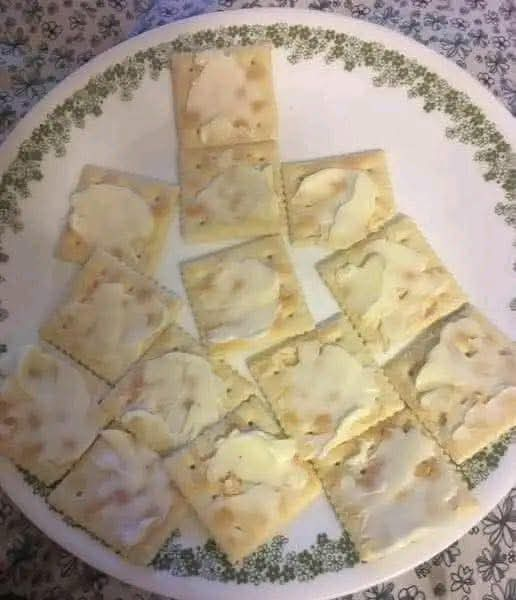
Iced crackers are essentially crisp biscuits or crackers that have been topped or coated with a sugared icing, glaze or fudge‑type layer, often in bright colours, sometimes studded with sprinkles or decorative toppings. They bridge the world between savoury crackers and sweet cookies, yet lean firmly into the sweet snack territory. The layering of crisp base plus cool icing creates a contrasting texture and gives them a uniquely playful, fun‑food appeal.
Because of their combo of crisp and sweet, they often find roles at parties, children’s gatherings, school snacks, afternoon tea, or simply as a nostalgic treat that harks back to simpler days. They can be homemade or purchased, and are often part of what might be called “retro party food ideas” for their playful and unmistakably vintage vibe.
A Brief History of Sweet and Iced Crackers
While the specific term “iced crackers” may not appear in historical archives as widely as other snacks, the lineage of sweet biscuits, iced cookies and decorated crackers goes back a long way. Understanding this lineage helps us appreciate why the treat invokes nostalgia and how it evolved.
Early cracker and biscuit history
Crackers as a category began as crisp, dry baked goods — sometimes extremely simple, like the early soda crackers that could be stored for long journeys. As time went on, biscuits (the UK term which often means sweet, or cookie‑like items) incorporated icing, sugar, and decorative elements. The blending of crisp cracker and sweet topping naturally evolved.
For example, reference is made to “sweet cracker” forms or thin crisp cookies: one article on sweet and savoury cracker diversity points out that cracker‑type products have moved into “sweet versions,” signalling a trend toward blending cookie and cracker categories.
Commercial snacks and nostalgia
Nostalgic snacks often gain their beloved status because they evoke childhood memories, simpler packaging, or flavours that are less common in today’s marketplace. A product listing for “Nostalgic Iced Gem” treats, for instance, notes: “Every kid’s favourite and all adults have fond childhood memories of this old school snack … the sweet icing combined with the crunchy biscuits makes for a good snack, perfect for a birthday party or celebration.” This is very much in the same emotional territory as iced crackers: the layering of crunch + sweet, the party or childhood setting, and a direct appeal to nostalgia.
The nostalgic revival
In recent years, vintage children’s treats have been rediscovered by both adults looking to reclaim childhood memories and new consumers seeking novelty. The resurgence of “classic sweet snack crackers” and “retro party food ideas” is in part driven by social media, but also by a desire for straightforward, fun treats that don’t feel heavily mass‑produced or overly complicated. Iced crackers fit neatly into that space because they are simple in construction, yet visually appealing and snack‑friendly.
Why Iced Crackers Evoke Nostalgia
There are a number of psychological and sensory reasons iced crackers carry a strong nostalgic pull.
Visual and tactile cues
The brightly coloured icing, playful shapes (often rounds, squares or fun dished forms), sprinkle toppings or decorative sugar crystals all contribute to the “childhood snack” aesthetic. The cooling effect of icing or glaze on a cracker adds an extra layer of sensory memory — that slight chill, the slick surface, the tactile contrast of smooth icing and crisp base.
Simplicity and comfort
Unlike highly complex snacks with layers and fillings, iced crackers are relatively simple: crunchy base + sweet topping. That simplicity resonates with memories of childhood snacks that were enthusiastic rather than gourmet. They suggest freedom, leisure, treat‑time, celebrations. When we bite into one, we often reconnect with simpler occasions: a school party, a picnic, a holiday treat.
Shared moments
Part of nostalgia is communal. Whether it was sharing a pack of iced cookies with classmates, or a parent buying a snack for you on a special outing, these treats become associated with social occasions. The revival of iced crackers in “retro party food ideas” taps into that communal dimension: you’re not just eating the treat, you’re reliving a shared moment.
The crunch‑sweet interplay
There is something satisfying in the combination of crisp and sweet, the way the icing gives a quick sweet hit, then the cracker base gives a crunchy finish. Foods that combine textures tend to be memorable. In the case of iced crackers, the contrast between the icing (smooth, often brightly coloured) and the crisp biscuit base becomes part of that nostalgic texture memory.
Varieties and Styles of Iced Crackers
When we talk about iced crackers, we’re referring to a broad category rather than a single brand. Here are some of the styles you might encounter globally, along with ideas for variations you might make at home.
Retail and nostalgic versions
As mentioned above, products like “Nostalgic Iced Gem” highlight old school snack forms: crunchy biscuit with coloured icing topping.
Some “sweet cracker” lines are explicitly marketed as bridging cookie and cracker categories. For example, one industry article highlights that cracker manufacturers are introducing sweet versions to benefit from the trend.
Homemade variations
Because iced crackers are simple to make, many home bakers create their own versions: using plain store‑bought crackers or thin biscuits, melting sugar icing or chocolate on top, adding sprinkles or chopped nuts, freezing or chilling them for a crisp finish. Some variations include:
Plain salted cracker base with white chocolate icing and colourful sprinkles
Biscuit base with coloured sugar glaze and freeze for 10‑15 minutes for extra crunch
Biscuit with fudge topping (semi‑set) and a little sea‑salt sprinkle for sweet‑salty contrast
Use of thematic shapes or colours for holidays: pastel icing for Easter, red/green for Christmas, neon for children’s parties
Frozen or chilled variant
One variant of iced cracker appeal is the “frozen or chilled sweet cracker” idea: after icing the cracker, you store it in the fridge or freezer so that the icing sets firm and the base becomes extra crisp. That adds another layer of sensory novelty: a cool-to-the-bite snack, slightly chilled icing, crisp crunch. This can make them more of a treat — aligning with “frozen cracker dessert” or “chilled snack biscuit” search interests.
Regional or cultural equivalents
While the specific term “iced cracker” may not be universal, similar snack forms appear around the world: thin crisp bases topped with sweet glazes or coatings, often marketed as old‑school or nostalgic treats. The global trend toward “classic sweet snack crackers” means many markets have local versions. Exploring these can provide insights into regional flavours (vanilla, chocolate, fruit‑flavoured icing) and packaging aesthetics.
Crafting Your Own Iced Crackers at Home
For anyone looking to recreate that nostalgic feel or serve them at a party, here’s a complete guide: equipment, ingredients, steps, tips, and variations.
Equipment and ingredients
Equipment:
Baking sheet (if you plan to lightly toast or bake the base)
Parchment or silicone mat (to prevent sticking)
Wire rack for cooling/setting icing
Small saucepan for melting icing or chocolate (optional)
Spatula or butter knife for spreading icing
Freezer or fridge space if planning chilled version
Ingredients (basic):
Plain crackers or thin biscuits (choose a crisp base; could be salt‑crackers or sweet biscuit)
Icing sugar or confectioners’ sugar
Milk, cream or melted butter (to make icing)
Food colouring (optional) for pastel or bright effect
Sprinkles, chopped nuts, coloured sugar, or small chocolate bits for decoration
Optional: white chocolate or dark chocolate for topping or coating
Step‑by‑step: Basic iced cracker
Select your cracker base. For best results use a crisp, thin biscuit or cracker that holds its shape when iced. You might lightly toast them (5‑10 minutes at 160 °C) to ensure they are completely dry.
Prepare your icing: mix icing sugar with a small amount of milk or cream until you have a spreadable but not runny consistency. Add food colouring if desired.
Spread a thin layer of icing onto each cracker. Try to leave a small border for crisp bite.
Immediately decorate: provide sprinkles, chopped nuts or sugar crystals while the icing is still wet so they stick well.
Transfer the iced crackers to a wire rack and let the icing set at room temperature or place them in the fridge for 10‑20 minutes for faster setting and a firmer finish.
(Optional) For a chilled/frozen variant: after the icing has set, place the crackers in a sealed container in the freezer for 10‑15 minutes; serve immediately. The chilling adds a crisp‑cold sensation to each bite.
Variations and flavour ideas
Chocolate‑dipped iced cracker: After icing sets, dip half the cracker in melted dark or milk chocolate; set again.
Fruit‑flavoured icing: Use citrus zest (lemon/orange) or freeze‑dried fruit powder in the icing.
Nutty crunch: Use chopped pistachios or almonds on top of icing for extra texture.
Holiday themes: Red & green sprinkles for Christmas; pastel icing for Easter; orange icing + black sprinkles for Halloween.
Ice‑cream sandwich twist: Place a small scoop of vanilla ice cream between two iced crackers and freeze for a mini “frozen cracker dessert”.
Tips for success
Choose a biscuit/cracker base that is crisp and relatively plain so the icing and decorations shine.
Ensure the base is fully cooled/dry before icing; any warmth or moisture may soften the cracker.
Keep the icing layer thin — too thick may cause the base to absorb moisture and lose crispness.
Store in an airtight container once set (unless frozen) to maintain crispness.
If delivering or transporting for a party, stack gently and separate layers with parchment to avoid mess.
For chilling/frozen versions: serve quickly after taking from freezer so they retain crisp cold texture.
Serving and Presentation Ideas
How you serve iced crackers can elevate them from simple snack to memorable treat for gatherings, kids’ parties, retro‑themed events or everyday indulgence. Here are ideas to showcase them.
Party platter of iced crackers
Create a colourful platter of iced crackers with several icing colours and decoration styles. Arrange them on a tiered cake stand or flat platter with contrasting colour combinations. Offer small bowls of extra sprinkles or chopped nuts on the side so guests can customise their own at the table.
“Build‑your‑own” iced cracker station
For children’s parties or casual get‑togethers, set up a small station: plain crackers, multiple icing bowls (colours / flavours), bowls of sprinkles/chopped nuts/chocolate bits, and chilled water or juice. Guests spread their own icing and toppings, creating their custom iced crackers. This interactive format taps directly into DIY nostalgia and makes the snack part of the fun.
Iced crackers as dessert topping or accompaniment
Use iced crackers as part of a dessert spread: place them around a bowl of gelato, or alongside fruit cups, or use them as crunchy topping for soft ice cream. Their cool topping and crisp base make them an interesting contrast to creamy desserts.
Gift or party favour packets
Pack a selection of iced crackers into small clear cellophane bags, tie with ribbon and tag them “Retro Snack Treat” or “Frozen Iced Cracker Bites”. These make charming party favours or small gifts, especially for themed events or children’s birthday parties.
Pairing with beverages
Iced crackers pair well with:
Cold milk or iced tea — the sweet icing meets a cool drink.
Hot chocolate — the contrast of warm drink + crisp iced biscuit is very satisfying.
Fruit‑infused water or lemonade — for a refreshing, light snack pairing.
The key is keeping the snack light and fun rather than overly rich, so the beverage complements rather than competes.
Why Iced Crackers Are Making a Comeback
In the world of snacks, trends cycle. Retro snacks are particularly popular because they connect emotionally, visually and socially. Here are key drivers behind the resurgence of icy or iced cracker snacks.
The nostalgia economy
People increasingly seek food that evokes memory — a simpler time, childhood, comfort. The idea of “childhood snack revival” has strong traction. Iced crackers fit into “vintage children’s treats” because their visual aesthetic, simplicity and fun factor remind people of earlier decades before ultra‑processed or branded snack monstrosities dominated.
Instagrammable snacks and DIY culture
The colourful icing, sprinkle toppers and chilled or frozen presentation make iced crackers visually appealing. In the age of social media, snacks that photograph well (bright colours, shiny icing, party‑friendly shapes) have an edge. Also, DIY and homemade treat culture is strong: people want to bake, decorate, host. Iced crackers are simple enough to DIY yet look special.
Snack innovation and category blurring
As the cracker industry shifts, we see crossover between cookies, biscuits, crackers and snack bars. One article notes that manufacturers are launching sweet versions of crisp cracker‑type products, blurring lines between savory and sweet. Iced crackers naturally sit in this crossover zone: they are cracker‑based, sweet‑topped, snack‑friendly. Snack companies and home‑bakers alike can exploit this.
Versatility and cost‑effectiveness
For events, iced crackers are inexpensive but impactful. A box of plain crackers + simple icing + sprinkles = high visual fun for low cost. For parents, hosts or DIY bakers this is a strong value proposition. They are also fast to prepare, making them ideal for last‑minute treats or party additions.
Chill/Freeze element adds novelty
Many snacks rely solely on flavour. Iced crackers add the novelty of chilling or freezing: when served cool, they bring extra sensory interest. This aligns with searches around “frozen cracker dessert” or “frozen sweet cracker bites”. That novelty helps drive interest and social sharing.
Health & Nutritional Considerations
While iced crackers are fun and nostalgic, it’s good to keep a balanced view on their nutritional profile and how they fit into a modern diet.
Typical composition
Base cracker or biscuit: likely enriched flour, some fat (butter or oil), salt.
Icing/glaze: sugar‑heavy, may include butter, cream, and decorative sugars.
Therefore, iced crackers fall into the category of indulgent snack treats rather than everyday staples.
Serving size and moderation
Because of their sweet topping and crunchy base, they are easy to eat in multiple pieces. It is wise to treat them as a snack rather than a substitute for a balanced meal. If serving them at a gathering, consider pairing with fresh fruit or unsweetened beverages to balance sweetness.
Ingredient substitutions
If you want a slightly more wholesome version:
Use whole wheat or semi‑whole wheat cracker base (ensuring crispness remains).
Use icing made with lower‑sugar or sugar substitute options, or lighten with Greek yoghurt glaze.
Top with nuts, seeds or dried fruit instead of all sugar sprinkles.
Serve chilled so the sensation of treat is heightened, meaning smaller quantities feel more indulgent.
Allergens and dietary tweaks
Keep in mind:
Many crackers use wheat flour → gluten. Use gluten‑free crackers if needed.
Icing may include dairy (butter, cream) → consider vegan butter or coconut cream for dairy‑free versions.
Sprinkles decorations may contain colouring or additives; you can use simpler toppings like chopped pistachios or freeze‑dried raspberries for cleaner labels.
By offering alternative versions, you keep the nostalgic appeal while accommodating dietary preferences.
Hosting with Iced Crackers: Event Ideas
If you’re organising an event—children’s party, retro‑theme gathering, casual get‑together—iced crackers can be a star. Here’s how to incorporate them seamlessly.
Theme ideas
Retro children’s snack table: Combine iced crackers with other vintage snacks (popcorn boxes, classic sodas, candy sticks). Label the table “Vintage Snack Revival”.
Frozen theme: Make the iced crackers chilled or slightly frozen; serve on a bed of ice or chilled platter. Provide chilled lemonade or iced tea to match.
DIY decorating station: Set up a small table where guests ice their own crackers; provide aprons or paper hats to make it fun for kids.
Movie‑night snack bar: Serve iced crackers alongside classic movie popcorn, candy‑corn and soda; emphasise nostalgia with old‑school film reels, posters.
DIY bridal‑or baby‑shower treat: Choose icing colours matching the event palette (pastel pink, mint green, gold) and pack iced crackers into favour boxes.
Timing and presentation tips
Prepare iced crackers no more than a few hours ahead of event for best crispness. If chilling/freezing for effect, do so close to serving.
Use clear containers or tiered stands to showcase colour and icing decoration. Guests are drawn to bright, inviting snack displays.
Include signage or label “Ice‑Cracker Crunch” or “Chilled Iced Biscuit Bites” so guests know what they are; especially helpful if some look like plain biscuits.
Pair with matching beverages: chilled white punch, lemonade, iced tea, milkshakes. Match colour or flavour to icing for cohesive theme.
Provide napkins or small plates since icing can melt slightly on contact or create sticky fingers if very warm. For chilled versions, this is less of an issue, but still wise to include.
Global Variants and Cultural Connections
Although “iced crackers” as a term may not be universal, many cultures have variants of crisp biscuit or cracker topped with sweet coating, glaze or chocolate. Recognising these helps widen the appeal and inspire fusion ideas.
Asia‑Pacific: sweet biscuit/icing combinations
In various parts of Asia you’ll find biscuit‑type snacks topped with icing, sugar, or chocolate coatings. The pattern of “crisp base + sweet topping” is common and often tied to festive occasions or childhood memories.
Reddit threads mention Japanese seasonal snacks, e.g., “Snowflake Crackers” with slightly sweet topping, illustrating how nostalgic snack culture transcends borders.
Europe: biscuit and cookie traditions
In Europe, many biscuit traditions include glazes, icing and decorative toppings (for example, glazed gingerbread, iced biscuits). Some communities remember childhood treats of glazed crackers or biscuits from party bags or holiday spreads. This suggests that iced‑cracker style snacks tap into a wide cultural memory across generations.
How to adapt globally
If you’re hosting or baking in a different cultural setting, adapt flavours and decorations to local palettes:
Use matcha icing on crisp base for a Japanese‑influenced version.
Use dulce de leche or caramel glaze for Latin‑inspired version.
Use citrus zest icing with candied peel for Mediterranean twist.
Use spice icing (cinnamon, nutmeg) on cracker/ biscuit for warm winter treats.
Frequently Asked Questions (FAQs)
Q: Are iced crackers suitable for children’s parties?
Yes — their bright colours, sweet topping and crisp texture make them ideal for children. However, consider portion size and allergen information (e.g., nuts, dairy, gluten) when preparing for a mixed group.
Q: How long do iced crackers stay crisp?
If stored in an airtight container at room temperature, they stay crisp for 1‑2 days. If they are iced with a moisture‑rich topping and stored longer, they may go soft. For best effect, prepare them close to serving. Using chilled or frozen variants also helps maintain texture when served soon after chilling.
Q: Can I use savoury crackers as the base?
Yes — you can experiment. A lightly salted cracker base with sweet icing creates an appealing sweet‑salty contrast. But ensure the base is crisp and neutral enough to pair with icing.
Q: Are there healthier versions?
Yes — you can use whole grain cracker bases, reduce sugar in icing or use alternative sweeteners, choose toppings like chopped nuts or freeze‑dried fruit. Just keep in mind that they remain treats, albeit more mindful ones.
Q: Can I make these with chocolate instead of icing?
Absolutely. Melted white chocolate, milk chocolate or even dark chocolate can serve as the “topping”. After setting, you could add sprinkles or chopped nuts. Chill them so the chocolate sets firm and enjoy as a “frozen sweet cracker bite”.
Final Thoughts
The charm of iced crackers lies not only in their flavour and texture but in the emotional resonance they carry. They remind us of carefree childhood afternoons, of snacks shared with friends, of simple pleasures. As we move through a snack world full of complexity, high intensity and hyper‑branding, there is something deeply appealing about a crisp base, a sweet glaze, and the memory it evokes.
Whether you’re baking them for a retro party, chilling them for a hot afternoon treat, or simply indulging your own nostalgia, iced crackers fit beautifully into the “vintage children’s treats” and “classic sweet snack crackers” category. They’re visually striking, easy to prepare, and carry that powerful “memory bite” along with the texture crunch and icing sweetness.
So next time you’re planning a party, afternoon tea, school snack, or simply a moment of self‑treating, consider iced crackers. You’re not just serving a snack — you’re inviting a wave of sweet nostalgia