INTRODUCTION
Japanese cotton cheesecake is a dessert that captures hearts and taste buds with its unique texture, delicate flavor, and ethereal lightness. Combining the richness of cheesecake with the airy softness of a soufflé, this dessert has become a favorite among baking lovers around the world. In this article you will learn everything about what makes Japanese cotton cheesecake special, how to choose your ingredients wisely, how to perfect every step of the baking process, what kinds of variations and flavor twists you can try, troubleshooting tips, storage, serving ideas, and even how to present your cheesecake beautifully. By the time you finish reading you will have all the knowledge you need to bake a cheesecake that wows guests and satisfies personal cravings
WHAT IS JAPANESE COTTON CHEESECAKE
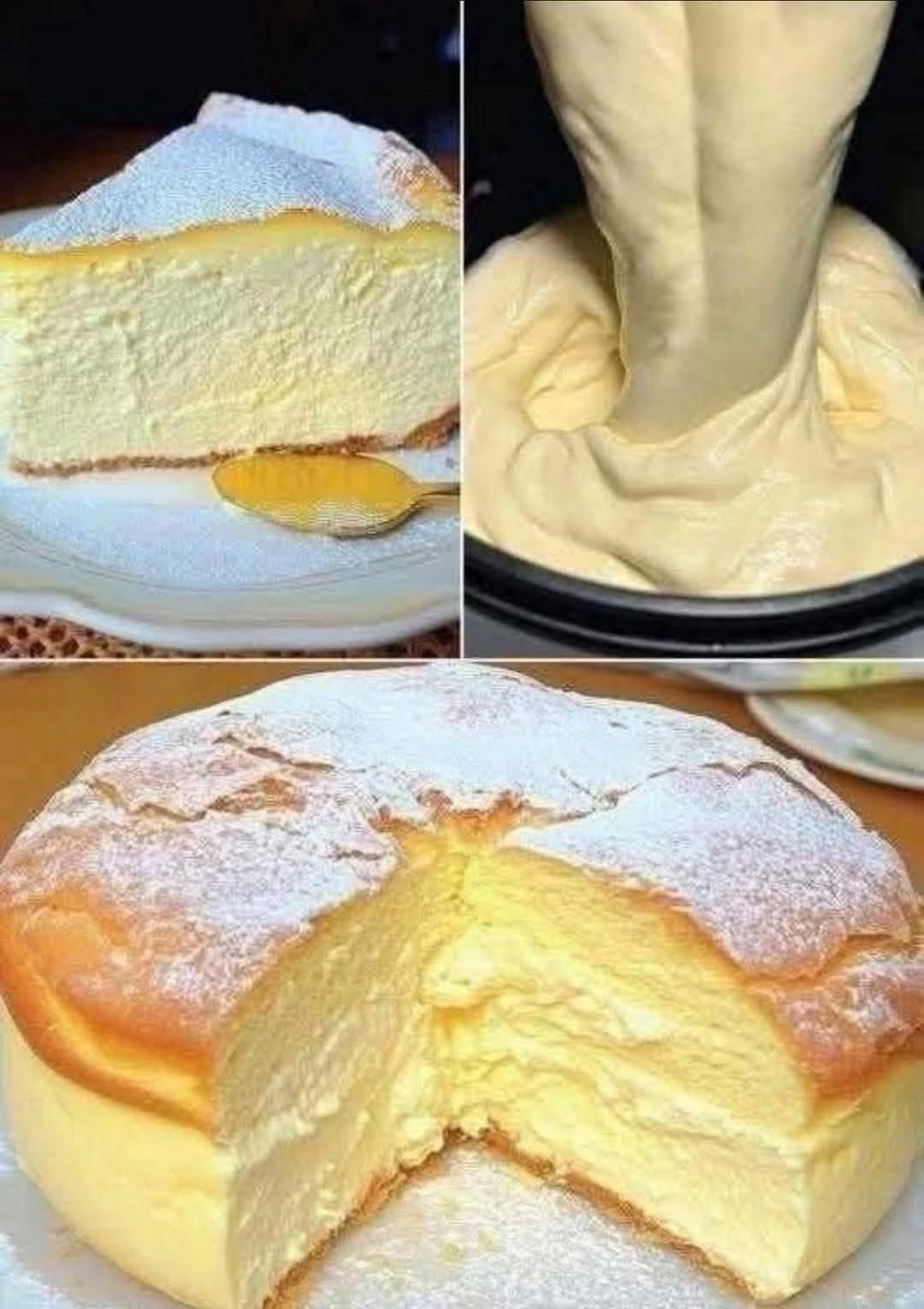
Japanese cotton cheesecake, sometimes called Japanese soufflé cheesecake, is a hybrid dessert combining characteristics of classic cheesecake and soufflé. It has a creamy cheese base like a traditional cheesecake, but incorporates whipped egg whites which are folded into the batter to give it its signature lift and airy texture. Unlike dense Western cheesecakes, the Japanese version is light, springy, with a soft jiggle and often has a golden top with the interior remaining pale and tender
KEY INGREDIENTS
Cream Cheese
High quality cream cheese is essential. Choose cream cheese that is full fat; low fat varieties do not provide the same richness and mouthfeel. Let the cream cheese reach room temperature so that it mixes smoothly without lumps
Butter
Unsalted butter is preferred so you can control the salt level. Butter adds flavor and moisture, and it also helps with the structure of the cake
Milk
Whole milk or heavy cream helps achieve creaminess. Some recipes use a mixture of milk and cream, or milk and sour cream to balance tang and richness
Eggs
Eggs are crucial. The yolks contribute flavor, color and fat for richness. The whites are whipped to stiff peaks to incorporate air that gives the cake its lift and soufflé character
Flour or Cornstarch
Many recipes include cake flour for a light crumb or a mix of cake flour and cornstarch. The starch helps to lighten texture and stabilize the structure without making the cake heavy
Sugar
Granulated sugar for sweetness and structure. Use fine sugar for better incorporation especially in egg whites
Lemon Juice or Vanilla Extract
For subtle flavoring you might use lemon juice, lemon zest, or vanilla extract. Be careful not to overpower the mild cheese taste
Salt
A small pinch of salt enhances the flavor and balances sweetness
EQUIPMENT YOU’LL NEED
Springform or removable-bottom cake pan about 7 to 9 inches wide depending on recipe size so that the cheesecake can rise without sticking to walls
Mixing bowls: one large for batters and one clean and dry for whipping egg whites
Whisk, electric mixer or stand mixer for beating egg whites and combining ingredients
Spatula for folding and scraping down bowl sides
Oven with reliable temperature control
Water bath (bain-marie) setup: a larger pan or tray into which you place hot water to bake the cheesecake gently
Kitchen thermometer (optional but helpful) to check oven and water temperature
Parchment paper to line the cake pan bottom and sides to prevent sticking
STEP BY STEP RECIPE GUIDE
Preparation and Pan Setup
Preheat your oven to about 160°C (320°F) though exact temperature can vary depending on oven performance
Line the bottom and sides of your springform pan with parchment paper. Wrapping the outside, if using a deep springform pan, with aluminum foil helps prevent water seepage during the water bath
Cream Cheese Mixture
Soften the cream cheese and butter by leaving them at room temperature
In a mixing bowl, beat the cream cheese until smooth, no lumps remaining
Add in the egg yolks one by one, beating well after each addition
Gradually incorporate milk (or cream) and flavoring (vanilla or lemon) into the cream cheese/yolk mixture, mixing until silky smooth
Sift in flour (or cake flour and cornstarch combination), mixing gently to incorporate without creating lumps
Beating Egg Whites
In a clean dry bowl, combine egg whites with a pinch of salt
Whisk the egg whites until frothy, then gradually add sugar in small increments while continuing to beat
Beat until you reach medium to stiff peaks: soft peaks that hold shape but still move with gentle give
Folding and Combining
Take about one third of the whipped egg whites and mix gently into the cream cheese mixture first. This lightens the base and makes the remaining folding easier
Gently fold in the rest of the egg whites in batches using a spatula. Use a motion that cuts through center and lifts from bottom to top; rotate bowl as you fold, avoid deflating bubbles too much
Baking Process
Pour the completed batter into the prepared pan, tap gently to release any large air bubbles
Place the cake pan into a larger roasting pan or baking dish, then pour hot water into the outer pan to create a water bath. The water should reach about halfway up the sides of the cake pan
Bake in preheated oven. Common bake times are between 50 to 70 minutes depending on oven and pan size. The top should become golden brown while the center remains slightly jiggly
Once baked, turn off the oven, slightly crack open the door (propping with wooden spoon for example), and let the cheesecake cool gradually in oven for 15 to 20 minutes. Then remove from oven and allow cooling to room temperature
Don’t rush putting it into fridge; chilling for a few hours (ideally overnight) helps set the interior texture while preserving moistness
TEXTURE, FLAVOR, APPEARANCE
Texture should be light and airy yet creamy; when you cut into it your fork should glide through, and each bite should feel like a faint cloud melting with cheese richness
Flavor balance is subtle: slight tang from cream cheese or sour cream, gentle sweetness, and ordinarily no overpowering flavors. Vanilla or lemon zest should complement not mask the cheese
Appearance: top should be golden brown, crust should be thin or minimal depending on design, sides smooth and uniform, top sometimes lightly cracked which is aesthetic in many versions, surface dusted with powdered sugar or decorated lightly
COMMON VARIATIONS AND FLAVOR TWISTS
Matcha Japanese Cheesecake
Adding sifted matcha powder to the cream cheese mixture gives a green hue and gentle earthy bitterness that pairs nicely with the creamy base
Chocolate Marble Cheesecake
Swirl melted dark or white chocolate into part of the batter before baking to create visual contrast
Fruit Toppings
Fresh berries like strawberries, blueberries or raspberries; compote or glaze; citrus segments; make sure toppings are light so they do not weigh down the cake
Yuzu or Lemon Zest
For citrus fans, adding yuzu juice or zest or lemon zest gives freshness and a clean finish
Caramel or Dulce de Leche Drizzle
After chilling, drizzle sauce lightly for sweetness contrast
Cheesecake Roll
Using same batter baked as a thin sheet, rolled with filling (cream or jam) for different presentation
TROUBLESHOOTING COMMON ISSUES
Cake Sinks or Collapses in Center
Oven too hot, water bath temperature too high, egg whites over beaten or undermixed, cooling too rapidly
Cracks on Top
Rapid change in temperature, overbaking, batter over mixed; remedy by baking at lower temperature, using water bath, slow cooling
Dense or Heavy Texture
Under beaten egg whites, over mixing after folding, using too much flour or cornstarch, heavy cream cheese
Cheesecake Sticks to Pan or Sides
Ensure parchment paper lines properly, grease sides lightly if needed, release carefully after cooling
Top Too Brown Before Center Cooks
Cover top gently with aluminum foil after certain baking duration, lower oven rack position, reduce top heat
FLAVOR TOO TANGY OR BLAND
Adjust cream cheese quality, use full fat, balance sugar and acid, test small base before adding strong flavors
BAKING TEMPERATURE AND TIME ADJUSTMENTS
Every oven behaves differently. Use an oven thermometer for accuracy
If your oven runs hot reduce by 10‑20°C
High altitude or humid climates may affect moisture content
Pan size changes bake time: smaller pan deeper cake will take longer, larger pan thinner cake less time
SERVING SUGGESTIONS
Slice cleanly using a hot sharp knife; dip knife in hot water, wipe between slices for clean edges
Serve with fresh fruits, fruit compotes, whipped cream or fruit coulis for contrast
Dust lightly with powdered sugar or cocoa powder for visual appeal
Room temperature slices allow more flavor release
Plate on elegant dessert plates, perhaps garnish with mint sprig or small berry
STORAGE AND SHELF LIFE
After cooling completely, cover cake with plastic wrap or store in airtight container in refrigerator; usually stays good for 3‑4 days
Freezing possible: slice and wrap individual slices tightly, freeze; thaw in fridge overnight
Avoid freezing with toppings that contain water (fresh fruits) as they can become soggy
HEALTH AND NUTRITION CONSIDERATIONS
Calories may be higher because of cream cheese and butter
Lower fat options may reduce richness
Allergens: dairy and eggs; lactose intolerant and vegan alternatives available but need different methods
Sugar reduction possible with sweetener substitutions but test flavor balance